
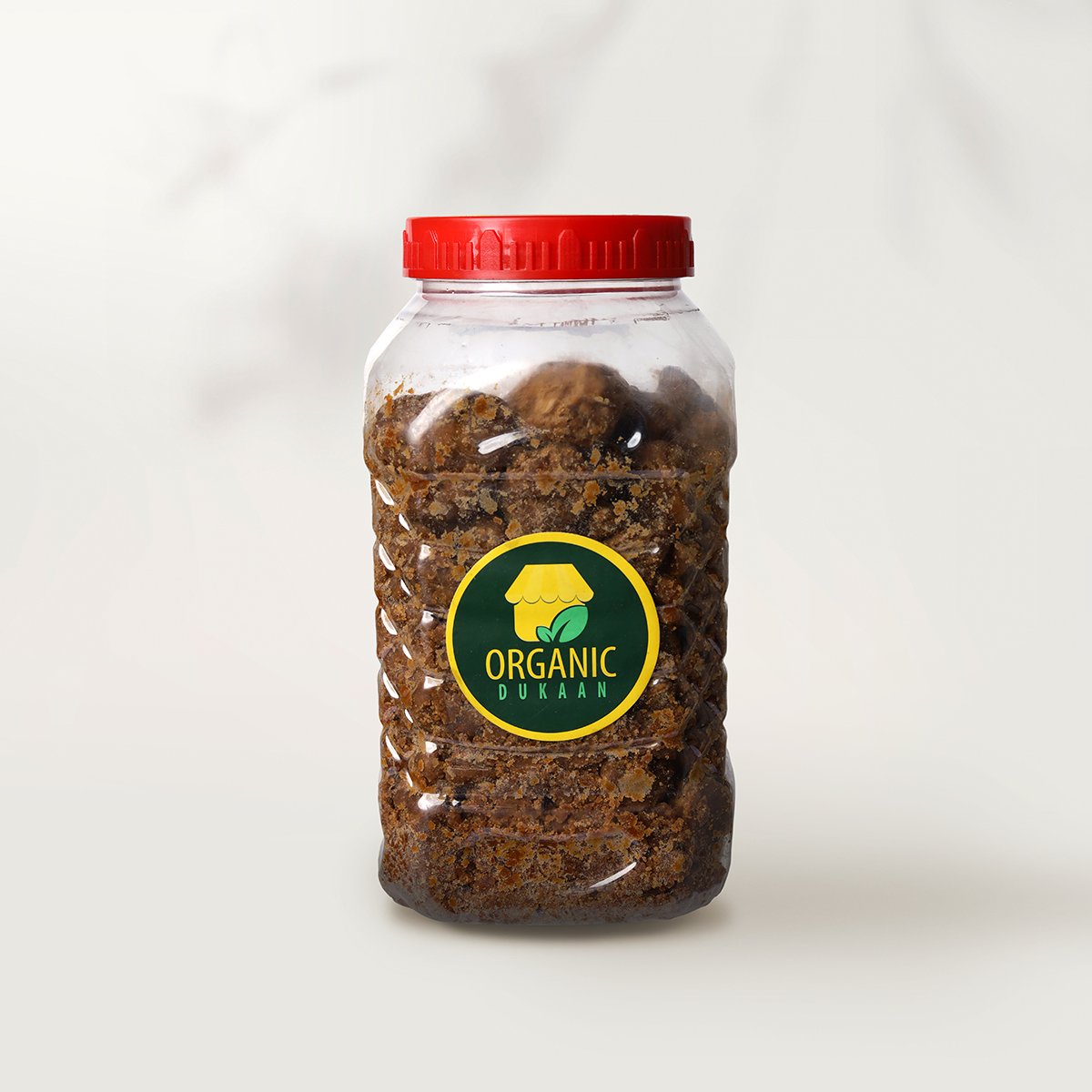
Jaggery, also known as Gur in South Asia, is a traditional, unrefined sweetener made from sugarcane juice or the sap of palm trees (like date palm or coconut palm). Unlike refined sugar, which undergoes significant processing and loses many of its natural nutrients, jaggery is made by boiling the juice or sap until it solidifies, preserving many of its beneficial properties. It is widely used in South Asia, Africa, and the Caribbean for culinary, medicinal, and cultural purposes.
Types of Jaggery
- Sugarcane Jaggery: Made from the juice of sugarcane, it is the most common type of jaggery and is typically golden brown in color.
- Palm Jaggery: Made from the sap of date palm or coconut palm trees, this variety is darker and has a more complex flavor compared to sugarcane jaggery.
Nutritional Content
Jaggery is rich in essential minerals and vitamins, including:
- Iron: A significant source of iron, which is beneficial for preventing anemia.
- Calcium and Phosphorus: Important for bone health.
- Potassium and Magnesium: Essential for maintaining electrolyte balance and supporting heart health.
- Trace minerals: Such as zinc and selenium, which have antioxidant properties.
Benefits of Jaggery
- Rich Source of Energy: Jaggery is a complex carbohydrate that provides a slow and steady release of energy, making it a better alternative to refined sugar, which causes rapid spikes in blood sugar levels.
- Detoxifies the Body: Jaggery is known for its natural detoxifying properties. It helps cleanse the liver by flushing out toxins from the body, and it can aid in cleansing the respiratory tract by clearing out dust and other pollutants.
- Improves Digestive Health: Consuming a small amount of jaggery after meals can stimulate digestive enzymes, aid in digestion, and prevent constipation by promoting bowel movements.
- Boosts Immunity: Jaggery contains antioxidants and minerals like zinc and selenium, which help boost the immune system, fight oxidative stress, and protect the body against infections.
- Prevents Anemia: The high iron content in jaggery makes it an effective natural remedy for preventing and treating iron-deficiency anemia. It helps increase hemoglobin levels in the blood.
- Regulates Blood Pressure: The potassium and magnesium in jaggery help regulate blood pressure by maintaining a proper balance of electrolytes in the body, reducing the risk of hypertension.
- Relieves Respiratory Issues: Jaggery is often used in traditional remedies to treat respiratory issues such as asthma, bronchitis, and colds. It helps clear the respiratory tract by removing excess mucus.
- Supports Weight Management: Jaggery, in moderation, can help manage weight by boosting metabolism and aiding digestion. It can also reduce water retention due to its potassium content.
- Promotes Menstrual Health: Consuming jaggery can help alleviate menstrual cramps and regulate irregular periods due to its iron content, which also helps in reducing fatigue and weakness.
- Improves Skin Health: The antioxidants in jaggery help prevent free radical damage to the skin, which can reduce signs of aging like wrinkles and dark spots. It also helps keep the skin glowing and healthy.
Culinary Uses of Jaggery
- Sweetener: Used in traditional sweets, desserts, and beverages like laddoos, chikkis, and jaggery tea.
- Cooking: Added to curries, sauces, and marinades for a rich, complex sweetness.
- Baking: Used as a substitute for sugar in baked goods for a deeper flavor.
How to Use Jaggery
- As a Sweetener: Replace refined sugar with jaggery in tea, coffee, or any recipe.
- Direct Consumption: A small piece of jaggery can be eaten after meals as a digestive aid.
- In Cooking: Add to dishes like dal, chutneys, or sauces to enhance flavor and add sweetness.
How to Choose and Store Jaggery
- Color: Good quality jaggery is typically golden to dark brown in color. Very light-colored jaggery might be processed or contain additives.
- Texture: It should be firm but slightly sticky to the touch. It should not be too hard or dry.
- Storage: Store jaggery in an airtight container in a cool, dry place to prevent it from hardening or getting moldy.
Jaggery is not just a natural sweetener but also a nutrient-rich food that offers a range of health benefits, making it a healthier alternative to refined sugar in many traditional and modern recipes.

Reviews
There are no reviews yet.