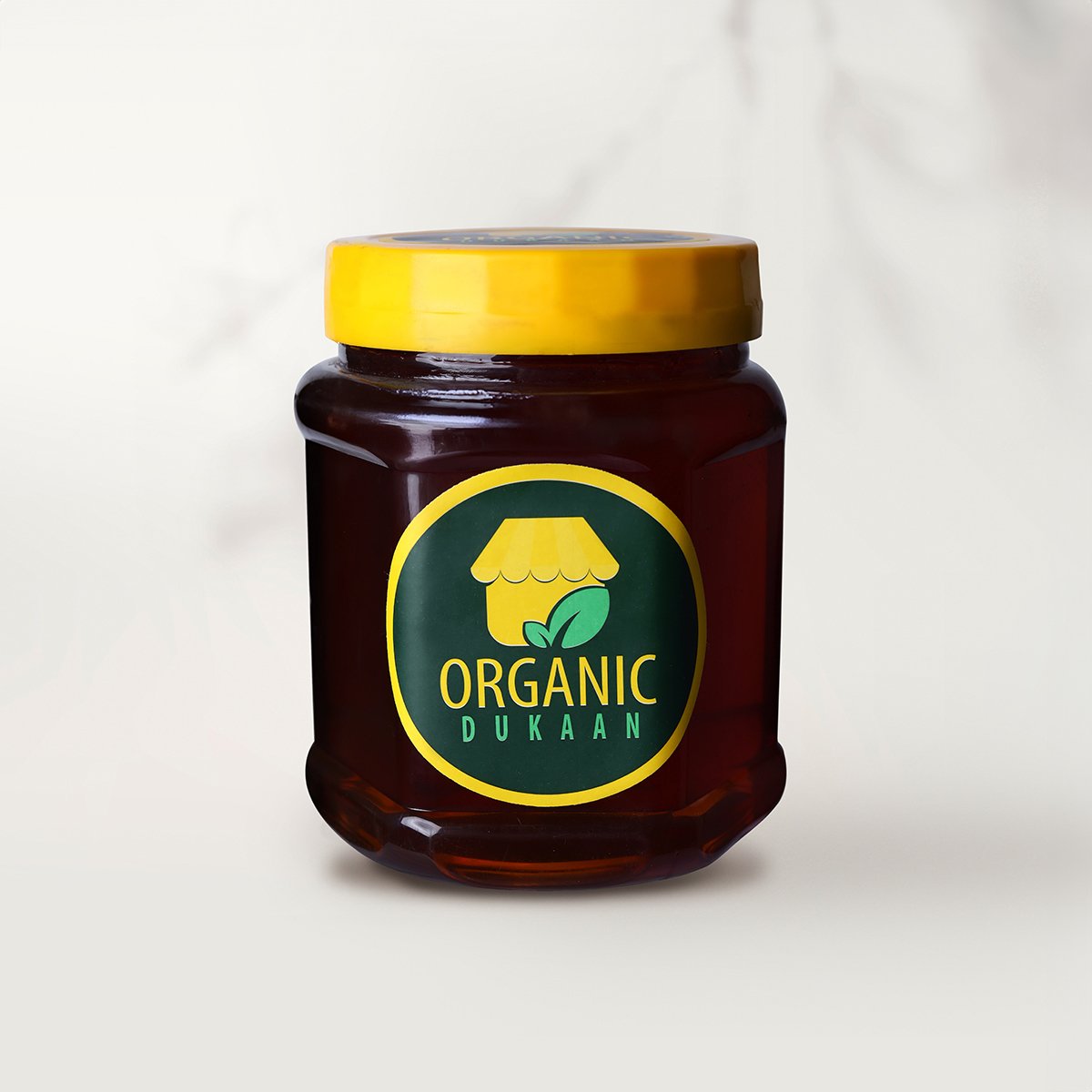
Multifloral Honey is a type of honey produced by bees that collect nectar from a wide variety of flowers, rather than from a single type of blossom. This diverse source of nectar gives multifloral honey a unique and complex flavor profile, as well as a rich array of nutritional benefits. It is sometimes referred to as wildflower honey, as it often comes from bees foraging in natural, undisturbed environments where multiple flower species bloom.
Characteristics of Multifloral Honey
- Flavor: The taste of multifloral honey can vary widely depending on the specific flowers the bees have visited. It typically has a rich, layered flavor with floral, fruity, and sometimes spicy notes.
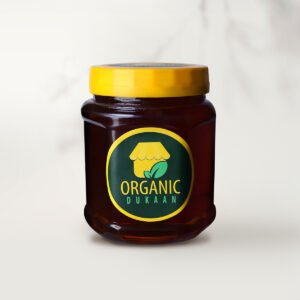
- Color: The color can range from light amber to dark brown, depending on the types of flowers and the region where the honey is harvested.
- Aroma: It usually has a fragrant, floral aroma, which can vary in intensity based on the floral sources.
Benefits of Multifloral Honey
- Rich in Antioxidants: Multifloral honey contains a variety of antioxidants, including flavonoids and phenolic acids, which help protect the body from oxidative stress and may reduce the risk of chronic diseases such as heart disease and cancer.
- Supports Digestive Health: Honey has prebiotic properties, meaning it can promote the growth of beneficial gut bacteria, supporting digestive health and helping to prevent issues like bloating and indigestion.
- Natural Antibacterial and Antimicrobial: Like other types of honey, multifloral honey has natural antibacterial properties, making it useful for wound healing, treating infections, and soothing sore throats.
- Boosts Immunity: The wide variety of plants contributing to multifloral honey means it contains a broader spectrum of nutrients, which can help boost the immune system and enhance the body’s ability to fight off infections.
- Energy Source: Multifloral honey is a natural source of energy, providing quick and sustained energy due to its natural sugars, making it a great alternative to processed sugars or energy drinks.
- Supports Respiratory Health: Honey is often used in traditional remedies to soothe coughs, sore throats, and other respiratory issues. Multifloral honey can help reduce the severity and duration of cold symptoms.
- Skin Health: When applied topically, multifloral honey can help moisturize and nourish the skin. Its antibacterial properties can also aid in treating acne and other skin conditions.
- Anti-inflammatory Properties: The anti-inflammatory compounds in multifloral honey can help reduce inflammation in the body, which is beneficial for conditions like arthritis and inflammatory bowel disease.
- Promotes Wound Healing: Multifloral honey can be used on cuts, burns, and wounds due to its antibacterial and healing properties, speeding up the recovery process.
- Allergy Relief: Some people believe that consuming local multifloral honey can help build immunity to pollen allergies by gradually exposing the body to small amounts of pollen.
Culinary Uses of Multifloral Honey
- Sweetener: Use it as a natural sweetener in tea, coffee, smoothies, and baked goods.
- Cooking: Drizzle over yogurt, pancakes, or toast, or use it in salad dressings, marinades, and sauces.
- Desserts: Incorporate it into desserts like honey cakes, baklava, or honey-glazed fruits.
- Natural Remedy: Consume a spoonful to soothe a sore throat or mix it with warm water and lemon for a comforting drink.
How to Use Multifloral Honey
- Daily Sweetener: Replace refined sugar with multifloral honey in your daily diet for a healthier alternative.
- Topical Application: Apply directly to the skin to treat minor wounds, burns, or acne.
- In Herbal Remedies: Combine with ginger, turmeric, or lemon for a natural remedy for colds and flu.
Choosing and Storing Multifloral Honey
- Purity: Ensure that the honey is raw and unfiltered to retain its maximum nutritional benefits. Look for labels that indicate it is pure multifloral honey without additives.
- Storage: Store honey in a cool, dry place, preferably in a tightly sealed container. Honey should not be refrigerated as it can crystallize, though crystallization is a natural process and does not mean the honey has gone bad.
Multifloral honey is a versatile, nutrient-rich product that offers a multitude of health benefits, making it an excellent addition to your daily diet and natural wellness routine. Its complex flavor also makes it a delightful ingredient in a wide range of culinary applications.
Reviews
There are no reviews yet.